Narrative Script Font: Elevate Your Brand Identity
As a small business owner, I have learned that first impressions are everything. In the crowded digital and physical marketplaces, your brand needs to speak clearly before you even say a word. This is where typography plays a critical role. It is not just about picking a pretty typeface; it is about choosing a voice that aligns with your values and resonates with your customers. For many creative entrepreneurs, boutique owners, and service providers, finding a script font that balances elegance with approachability can be a challenge. That is exactly why I started using Narrative. It has become an essential part of my toolkit for creating cohesive, professional, and memorable brand materials.
Understanding the Personality of Narrative
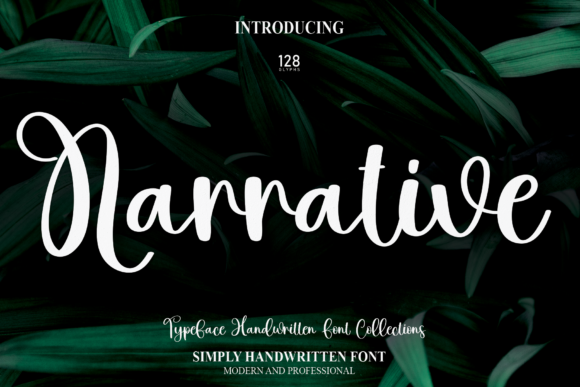
Narrative is more than just a decorative typeface; it is a classy and stylish script font designed to make a statement without shouting. When I first looked at its character set, I noticed how fluid and natural the letterforms feel. It captures the essence of modern calligraphy but remains grounded enough for everyday business use. The strokes vary in weight, giving it a dynamic rhythm that feels hand-crafted yet polished. This visual appeal makes it perfect for any branding project where you want to convey sophistication, creativity, and trustworthiness.
The mood of Narrative is warm and inviting. It does not feel stiff or overly formal like some traditional serif fonts, nor does it feel chaotic or hard to read like some experimental handwritten fonts. Instead, it strikes a balance that works beautifully for businesses ranging from artisanal bakeries to high-end coaching services. Its versatility allows it to look extraordinary in a variety of contexts, whether it is printed on a glossy product label or displayed as a header on a mobile-friendly website.
Building Consistency Across Business Touchpoints
One of the biggest struggles for independent creators is maintaining consistency. You might have a logo on Instagram, a different header on your website, and another style on your packaging. When these elements clash, your brand looks disjointed and less trustworthy. Using a single, strong creative font like Narrative helps tie all these elements together. By integrating this script into your core design assets, you create a recognizable visual language that customers begin to associate with your quality and style.
For example, if you run a handmade candle shop, using Narrative on your product labels immediately signals a premium, artisanal feel. If you pair it with clean, minimalist packaging, the contrast highlights the elegance of the script. Similarly, for a café owner, using Narrative on your menu board or coffee cup sleeves adds a touch of personality that invites customers to slow down and enjoy their experience. It transforms ordinary materials into branded experiences.
Practical Applications for Logos and Packaging
When it comes to logo design, Narrative shines as a display font. Because of its distinctive shape, it works exceptionally well as the primary element in a logo, especially for businesses in the beauty, fashion, or lifestyle sectors. I often use it for boutique logos because it conveys femininity and grace without being cliché. However, readability is key. While Narrative is expressive, it should be used strategically. It works best when the text is large enough to appreciate the details of the letterforms.
In packaging design, Narrative can elevate simple boxes or bags into memorable unboxing experiences. Imagine a skincare brand using Narrative for the product name on a matte black jar. The contrast between the sleek background and the elegant script creates a luxurious impression. It also works wonderfully on thank-you cards included in online orders. A simple note saying "Thank You" in Narrative feels personal and heartfelt, which encourages customer loyalty and positive reviews.
Enhancing Digital Presence and Social Media
Your online presence is often the first place potential customers encounter your brand. On platforms like Instagram and Pinterest, you need graphics that stop the scroll. Narrative is excellent for social media graphics because it stands out against busy backgrounds. Use it for quotes, promotional announcements, or event flyers. Its legibility on smaller screens, such as mobile devices, ensures that your message is clear even in thumbnail views.
For web design, Narrative can serve as an accent font for headers or section titles. Pairing it with a clean sans serif font for body text creates a harmonious hierarchy. The sans serif provides readability for longer paragraphs, while Narrative draws attention to key messages. This combination is particularly effective for service providers like coaches or consultants who want to appear both professional and approachable. It helps build a brand identity that feels modern and trustworthy.
Font Pairing Strategies for Professional Results
To get the most out of Narrative, it is important to understand how to pair it with other typefaces. A common mistake is overusing decorative fonts, which can make a brand look cluttered. The golden rule is to let one font do the heavy lifting. Since Narrative is an expressive script font, it pairs beautifully with neutral, readable typefaces.
I recommend pairing Narrative with a geometric sans serif font for a modern, clean look. This combination works well for tech startups, creative agencies, or contemporary boutiques. Alternatively, pairing it with a classic serif font can create a timeless, editorial feel suitable for literary brands, wedding planners, or luxury goods. The key is to ensure there is enough contrast between the two fonts so they do not compete for attention. Test different combinations by placing them side by side to see how they interact visually.
Testing and Licensing Considerations
Before committing to Narrative for your entire brand, I always advise testing it in real-world scenarios. Print out samples on the actual materials you plan to use, such as stickers, business cards, or fabric tags. Check how it reproduces at different sizes. Does it remain legible on a tiny product label? Does it lose detail when scaled down for a favicon? These practical tests save time and money by preventing costly reprints.
Finally, always remember to check commercial font licensing. As a business owner, you must ensure you have the right permissions to use the font for commercial purposes. Using a commercial font without a proper license can lead to legal issues. Most premium fonts offer specific licenses for merchandise, templates, and client work. Investing in the correct license protects your business and supports the designers who create these valuable design assets.
In conclusion, Narrative is a powerful tool for any entrepreneur looking to enhance their brand identity. Its classy and stylish design helps businesses look more consistent, professional, and recognizable. By integrating it thoughtfully into your logos, packaging, and digital content, you create a cohesive narrative that speaks directly to your target audience. Whether you are launching a new startup or refreshing an existing brand, Narrative offers the elegance and versatility needed to stand out in today’s competitive market.