Talking to You: A Dainty Script Font for Handmade Brands
When you are designing physical products, every pixel and every curve matters. As a crafter and small business owner, I have learned that the right typeface can transform a simple sticker into a premium brand asset. Talking to You is one of those fonts that immediately catches the eye with its dainty, sweet script personality. It is not just a decorative element; it is a versatile design tool that brings warmth, elegance, and a personal touch to your projects. Whether you are creating custom wedding invitations, boutique product labels, or digital printables, this font offers the perfect balance of readability and charm.
Visual Personality and Creative Appeal
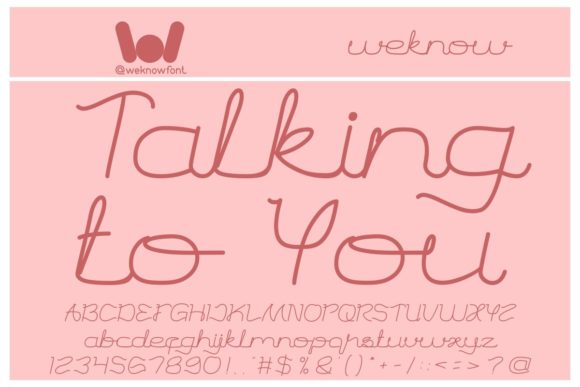
Talking to You falls squarely into the category of a modern script font, but it distinguishes itself through its delicate structure. The letters flow with a handwritten feel that mimics real calligraphy without the messiness of ink on paper. This makes it incredibly attractive for brands that want to appear approachable yet sophisticated. The "dainty" descriptor in its name is accurate; the strokes are fine, and the connections between letters are graceful, giving it a light and airy appearance.
For handmade sellers, this visual appeal translates directly into perceived value. When customers see a product labeled with a font that looks hand-lettered, they often associate it with care, attention to detail, and artisanal quality. Talking to You evokes emotions of sweetness and intimacy, making it ideal for products related to self-care, gifts, celebrations, and personal style. It is a creative font that does not shout; instead, it whispers elegance, which is often more powerful in branding than loud, bold typography.
Practical Applications for Crafters and Sellers
The versatility of Talking to You allows it to be used across a wide range of physical and digital products. Because it is designed for logos, logotypes, and headlines, it shines when used for short phrases rather than long paragraphs. Here are some specific ways I recommend using this script font in your craft business:
- Product Labels and Tags: Use Talking to You for the brand name or key selling points on candle jars, soap bars, or boutique clothing tags. Its legibility at small sizes ensures that customers can read your brand even on tiny stickers.
- Invitations and Stationery: For wedding invites, baby shower cards, or birthday announcements, this font adds a romantic and celebratory tone. It works beautifully as a main headline on greeting cards.
- Wall Art and Prints: Create inspirational quotes or minimalist home decor prints. The dainty nature of the font prevents wall art from feeling cluttered, allowing the message to stand out clearly.
- Apparel and Accessories: When transferring designs to t-shirts, tote bags, or mugs using heat transfer vinyl (HTV) or sublimation, Talking to You holds up well. Its clean lines ensure that the cut paths are precise, reducing errors during the cutting process.
- Seasonal Designs: From Christmas gift tags to Valentine’s Day chocolates, the sweet aesthetic fits perfectly with holiday themes that emphasize love and affection.
Readability and Production Tips
As someone who frequently uses cutting machines like Cricut or Silhouette, I know that not all script fonts work well for physical production. Some scripts have such thin connections that they break during weeding or become illegible when printed small. Talking to You strikes a good balance here. However, there are practical considerations to keep in mind.
For small stickers or product labels, avoid using the font at sizes smaller than 0.5 inches unless you are printing with high-resolution methods. The fine details may get lost. If you are designing SVG files for sale, ensure that the text is converted to outlines or paths before uploading to marketplaces to preserve the integrity of the letterforms. Additionally, always test your mockups. View your design at actual size on a screen to check if the spacing between letters feels natural or if it appears too cramped.
Another important aspect is commercial licensing. Before using Talking to You for any product you intend to sell, verify the license agreement. Most premium fonts allow for physical merchandise sales, but restrictions may apply to digital downloads or unlimited print runs. Always adhere to the terms to protect your business legally.
Effective Font Pairing Strategies
While Talking to You is stunning on its own, pairing it correctly can elevate your design further. A common mistake among beginners is using two script fonts together, which creates visual chaos. Instead, pair this expressive script with a clean sans serif font or a structured serif font.
For example, use Talking to You for the main title or brand name, and pair it with a simple sans serif font for secondary information like ingredients, dates, or addresses. This contrast creates a hierarchy that guides the customer’s eye. The clean lines of a sans serif font provide stability, while the script adds flair. Alternatively, pairing it with a bold display font can create a striking juxtaposition, though this requires careful layout planning to maintain balance.
Technical Features and Design Assets
When evaluating a typeface for your brand identity, look beyond just the basic characters. Check if Talking to You includes alternates, ligatures, or swashes. These features allow you to customize the look of your text, adding unique flourishes that make your logo or design stand out. Multilingual support is also crucial if you plan to cater to a global audience or include foreign phrases in your designs.
Ensure you download the correct file formats for your needs. TrueType Fonts (TTF) and OpenType Fonts (OTF) are standard for most design software, while vector formats may be necessary for certain cutting machine applications. By understanding the technical specifications, you can integrate Talking to You seamlessly into your workflow, whether you are working in Photoshop, Illustrator, Canva, or CorelDRAW.
Building Brand Consistency
In the crowded marketplace of handmade goods, consistency is key to recognition. Using Talking to You across all your touchpoints—from your Etsy shop banner to your packaging inserts—helps build a cohesive brand identity. Customers will begin to associate the delicate, sweet curves of the font with your specific style and quality standards. Over time, this visual consistency becomes a valuable asset, fostering trust and loyalty among your buyers.
Ultimately, Talking to You is more than just a font; it is a tool for storytelling. It helps you communicate the heart behind your handmade creations. By choosing a typeface that reflects your brand’s values, you create a deeper connection with your customers. Whether you are labeling a jar of homemade jam or designing a digital planner cover, let the charm of Talking to You enhance your work and bring your creative vision to life.